ॐ
    Santvaani
    HoroscopeSaintsSpaceBlogDivine Stories
    ॐ
    Santvaani
    Horoscope
    Saints
    Space
    Blog
    Divine Stories
    Jeevani
    Divine Forms
    Bhajans
    Donation
    About

    Peace · Wisdom · Devotion

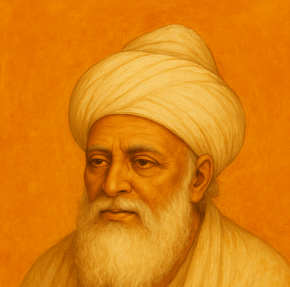
    Sant Rahim

    Sant Rahim

    Sant Rahim

    रहीम जी

    All saints

    Sant Rahim

    रहीम जी

    Era
    1556-1627
    Region
    Delhi
    Known for
    Spiritual Dohas

    पढ़ने की भाषा

    नीची नज़रों से दिया गया दानAlms given with lowered eyes

    रहीम अकबर के दरबार के सबसे शक्तिशाली सेनापतियों में से एक थे, और साथ ही सबसे उदार दानदाताओं में भी। कहा जाता है कि जब भी कोई ज़रूरतमंद उनके पास आता, रहीम अपनी नज़रें नीची करके ही दान देते थे — याचक की आँखों में देखे बिना।

    किसी ने एक बार यह देखकर पूछा, "आप इतना दान देते हैं, फिर नज़र नीची क्यों रखते हैं?" रहीम ने जो उत्तर दिया, वह उनके सबसे प्रसिद्ध दोहों में एक बन गया — देने वाला तो कोई और है, मैं तो बस ज़रिया हूँ; लोग बेकार में मुझ पर एहसान का भार डालते हैं, इसलिए मैं आँखें नीची रखता हूँ।

    एक मुग़ल सेनापति, जिसने युद्ध जीते, राज्य संभाले, फ़ारसी-संस्कृत-ब्रजभाषा तीनों में महारत हासिल की — फिर भी दान देते समय ख़ुद को कर्ता नहीं, माध्यम मानता था। यही विनम्रता रहीम के दोहों को आज तक जीवित रखती है।

    Rahim was one of Akbar’s most powerful generals, and also one of his most generous benefactors. Whenever someone in need came to him, the story goes, he would give without looking the person in the eye — his gaze lowered.

    Someone once asked him why, if he gave so freely, he kept his eyes down. His answer became one of his most famous couplets: the true giver is someone else; I am only the means. People mistakenly credit me for it, and that is why I keep my eyes low.

    A Mughal general who won wars, governed provinces, and commanded Persian, Sanskrit and Braj Bhasha alike — and yet, when giving, considered himself not the giver but merely the channel. That humility is a large part of why Rahim’s couplets are still remembered today.
    रहीम जी के दोहे, अर्थ सहितSant Rahim: verses with meaning

    • रहिमन धागा प्रेम का, मत तोड़ो चटकाय।टूटे से फिर ना जुड़े, जुड़े गाँठ परि जाय॥

      ॥

      अर्थ

      हे रहीम, प्रेम के धागे को झटके से मत तोड़ो। टूटने पर वह फिर से पहले जैसा नहीं जुड़ता, जुड़ भी जाए तो बीच में गाँठ पड़ जाती है।

      Rahim, do not snap the thread of love with a sudden jerk. Once broken, it never joins as before — and if it does, a knot remains.

      1 / 3
    • रहिमन पानी राखिये, बिन पानी सब सून।पानी गए न ऊबरे, मोती मानुष चून॥

      ॥

      अर्थ

      हे रहीम, पानी (आबरू) बचाकर रखो, इसके बिना सब सूना है। पानी गए मोती, मनुष्य और आटा — तीनों बेकार हो जाते हैं।

      Rahim, preserve your water — your dignity and lustre. Without it, all is empty. Once water is lost, the pearl, the man, and the flour are all worthless.

      यहाँ "पानी" के तीन अर्थ एक साथ खेले गए हैं — चमक, आत्मसम्मान और नमी।Here "paani" plays on three meanings at once — lustre, dignity, and moisture.

      2 / 3
    • देनहार कोई और है, भेजत सो दिन रैन।लोग भरम हम पर करैं, तासो नीचे नैन॥

      ॥

      अर्थ

      देने वाला तो कोई और (ईश्वर) है, जो दिन-रात भेजता रहता है। लोग व्यर्थ ही मुझ पर एहसान का भ्रम रखते हैं, इसीलिए मैं नज़रें नीची रखता हूँ।

      The real giver is someone else, who sends it day and night. People mistakenly credit me for it — that is why my eyes stay lowered.

      यही वह दोहा है जो दान के समय उनकी नीची नज़रों की कथा से जुड़ा है।This is the couplet behind the story of Rahim’s lowered eyes when giving alms.

      3 / 3

    जीवन की झलकLife at a glance

    1. 15561556

      जन्म। पिता बैरम खान अकबर के संरक्षक और सेनापति थे।Born. His father, Bairam Khan, was Akbar’s guardian and general.

    2. बचपनChildhood

      पिता की मृत्यु के बाद अकबर के संरक्षण में पले-बढ़े।After his father’s death, he was raised under Akbar’s protection.

    3. दरबार मेंAt court

      अकबर के सबसे विश्वस्त सेनापतियों और नवरत्नों में शामिल हुए। संस्कृत, फ़ारसी, अरबी, तुर्की और ब्रजभाषा — सभी पर समान अधिकार रखा।Became one of Akbar’s most trusted generals and one of his navratnas (nine gems). He had equal command over Sanskrit, Persian, Arabic, Turkish and Braj Bhasha.

    4. रचनाकार के रूप मेंAs a poet

      ब्रजभाषा में दोहे लिखे जो आज भी स्कूलों में पढ़ाए जाते हैं — एक मुस्लिम सेनापति द्वारा हिंदू भक्ति-भाव में रचना, गंगा-जमुनी संस्कृति का प्रतीक बनी।Wrote dohe in Braj Bhasha, still taught in schools today — a Muslim general composing in the idiom of Hindu devotion, an enduring symbol of India’s shared culture.

    5. जहाँगीर के काल मेंUnder Jahangir

      अकबर की मृत्यु के बाद जहाँगीर के दरबार में स्थिति कमज़ोर हुई और बाद के वर्ष कठिनाई में बीते।After Akbar’s death, his standing at Jahangir’s court declined, and his later years were difficult.

    6. 16271627

      दिल्ली में देहांत। उनका मक़बरा निज़ामुद्दीन के पास आज भी स्थित है, जिसकी स्थापत्य शैली को ताजमहल की प्रेरणाओं में गिना जाता है।Died in Delhi. His tomb still stands near Nizamuddin, its architecture often counted among the influences on the Taj Mahal.

    आज हमारे लिएWhat it means for us today

    रहीम का जीवन याद दिलाता है कि भाषा और भक्ति किसी एक धर्म की जागीर नहीं। एक मुसलमान सेनापति के लिखे दोहे आज भी हर धर्म के बच्चे स्कूल में पढ़ते हैं — बिना यह सोचे कि इन्हें किसने लिखा। शायद यही रहीम की सबसे बड़ी सीख है।Rahim’s life is a reminder that language and devotion belong to no single religion. Couplets written by a Muslim general are still learned by schoolchildren of every faith, most of them never pausing to ask who wrote them. That may be Rahim’s greatest lesson.

    अक्सर पूछे जाने वाले प्रश्नFrequently asked questions

    रहीम कौन थे?Who was Rahim?

    अब्दुर्रहीम खान-ए-खाना, बैरम खान के पुत्र, अकबर के दरबार के नवरत्नों में से एक और प्रसिद्ध सेनापति।Abdur Rahim Khan-e-Khanan, son of Bairam Khan, one of Akbar’s navratnas and a celebrated general.

    रहीम का जन्म कब हुआ?When was Rahim born?

    1556 में।In 1556.

    रहीम की मृत्यु कब और कहाँ हुई?When and where did Rahim die?

    1627 में, दिल्ली में। उनका मक़बरा निज़ामुद्दीन के पास स्थित है।In 1627, in Delhi. His tomb stands near Nizamuddin.

    रहीम के दोहे किस भाषा में हैं?What language are Rahim’s dohe in?

    ब्रजभाषा में, हालांकि वे कई भाषाओं के जानकार थे।In Braj Bhasha, though he was proficient in several languages.

    रहीम मुसलमान होकर हिंदू भक्ति-भाव में दोहे क्यों लिखते थे?Why did a Muslim write in the idiom of Hindu devotion?

    उनकी रचनाएँ भारत की गंगा-जमुनी तहज़ीब यानी साझी सांस्कृतिक परंपरा का प्रतीक हैं, जहाँ भाषा और भाव किसी एक धर्म तक सीमित नहीं थे।His work is a symbol of India’s shared cultural tradition, where language and sentiment were never confined to one religion.

    More saints from Delhi

    • Hazrat Nizamuddin Auliya

    • Chaitanya Mahaprabhu

    • Sant Ravidas

    • Swami Haridas

    • Sant Paltu Das

    • Acharya Vallabhacharya

    Previous

    Sant Surdas

    Next

    Chaitanya Mahaprabhu

    Get daily spiritual updates

    Wisdom, events & bhajans delivered to your inbox.

    ॐ
    Santvaani

    Spreading the divine wisdom and teachings of great Indian saints across the world. A digital sanctuary for spiritual seekers.

    santvaani.app@gmail.com+91 87070 43565

    Explore

    • Saints
    • Divine Forms
    • Bhajans
    • Horoscope

    Community

    • Blog
    • Santvaani Space
    • Divine Stories
    • Naam Jap
    • Donate

    Company

    • About Us
    • Support Us
    • Privacy Policy
    • Terms of Service

    © 2026 Santvaani.Made withfor spiritual seekers worldwide

    Privacy Policy·Terms of Service·About