ॐ
    Santvaani
    HoroscopeSaintsSpaceBlogDivine Stories
    ॐ
    Santvaani
    Horoscope
    Saints
    Space
    Blog
    Divine Stories
    Jeevani
    Divine Forms
    Bhajans
    Donation
    About

    Peace · Wisdom · Devotion

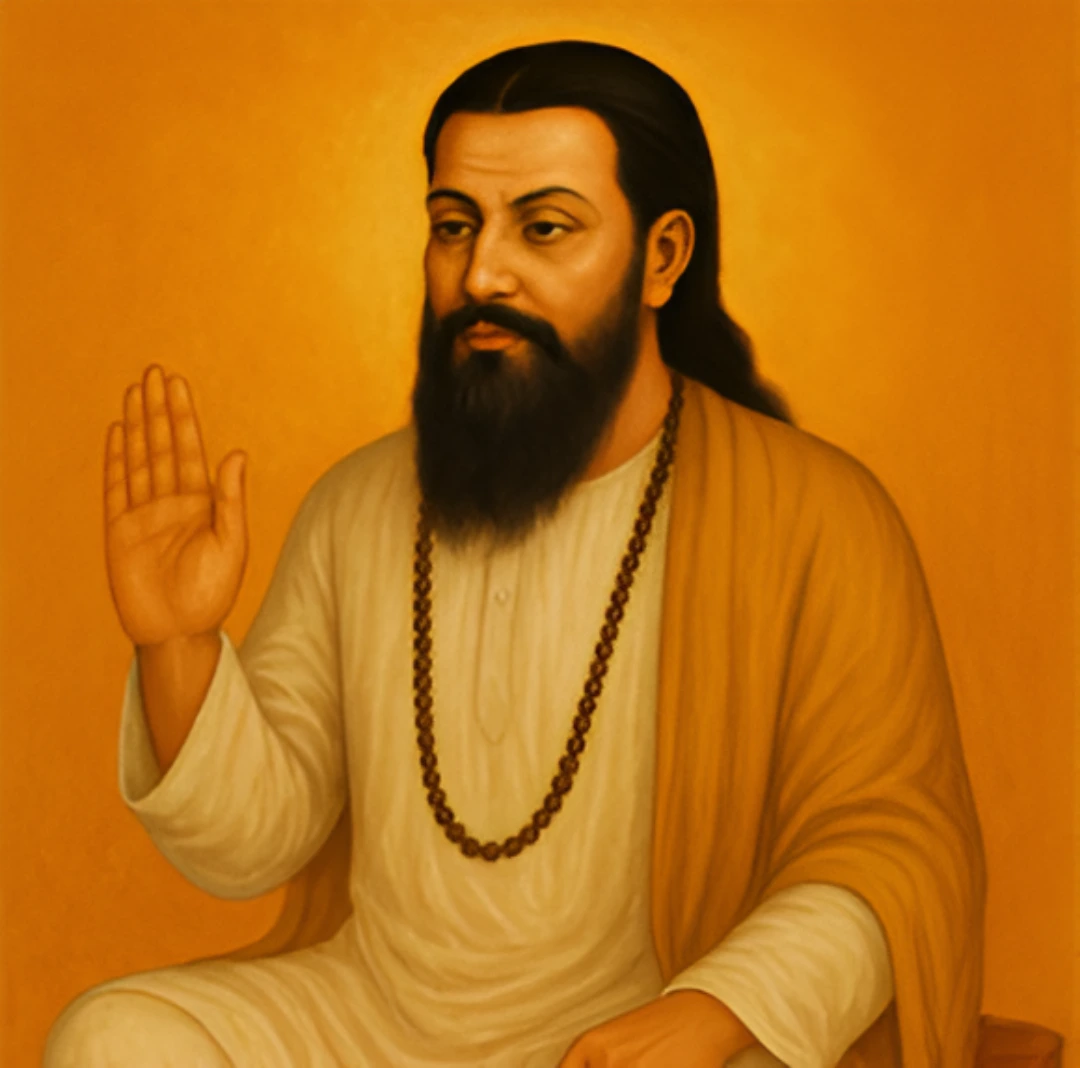
    Sant Kabir Das

    Sant Kabir Das

    Sant Kabir Das

    संत कबीर दास जी

    All saints

    Sant Kabir Das

    संत कबीर दास जी

    Era
    1440-1518
    Region
    Uttar Pradesh
    Known for
    Mystical Poetry

    पढ़ने की भाषा

    पंचगंगा घाट की वह सुबहThat morning at Panchganga Ghat

    काशी अभी पूरी तरह जागी नहीं थी। पंचगंगा घाट की सीढ़ियाँ ओस से गीली थीं और गंगा पर धुंध तैर रही थी। कहा जाता है कि उन्हीं सीढ़ियों पर एक जुलाहे का बेटा चुपचाप लेटा था। उसका नाम कबीर था।

    उसे पता था कि स्वामी रामानंद हर दिन भोर से पहले इसी रास्ते से स्नान करने उतरते हैं। उस ज़माने में बड़े गुरु जुलाहे के बेटे को शिष्य नहीं बनाते थे। इसलिए कबीर ने दरवाज़ा खटखटाने के बजाय रास्ते में लेट जाना चुना।

    अँधेरे में रामानंद का पैर कबीर पर पड़ गया। चौंककर उनके मुँह से निकला, "राम, राम!"

    कबीर के लिए इतना ही काफ़ी था। उन्होंने उसी पल उस नाम को अपना गुरु-मंत्र मान लिया और जीवन भर "राम" गाते रहे। पर उनका राम किसी मंदिर में बंद नहीं था। वह हर साँस में था, करघे की हर खटखट में।

    Kashi was not yet awake. The steps of Panchganga Ghat were wet with dew, and mist hung over the Ganga. On those steps, the story goes, a weaver’s son lay perfectly still. His name was Kabir.

    He knew that Swami Ramananda walked down these steps to bathe every morning before dawn. In those days a revered teacher would not take a weaver’s son as a disciple. So instead of knocking at a door, Kabir lay down in his path.

    In the dark, Ramananda’s foot fell on him. Startled, he cried out, "Ram, Ram!"

    For Kabir that was enough. He took the name as his initiation, and sang of Ram for the rest of his life. But his Ram was not shut inside any temple. He was in every breath, in every beat of the loom.
    संत कबीर दास जी के दोहे, अर्थ सहितSant Kabir Das: verses with meaning

    • मोको कहाँ ढूँढे बंदे, मैं तो तेरे पास में।ना मैं देवल ना मैं मस्जिद, ना काबे कैलास में॥

      ॥

      अर्थ

      हे मनुष्य, तू मुझे कहाँ-कहाँ खोज रहा है? मैं तो तेरे पास ही हूँ। न मैं मंदिर में हूँ, न मस्जिद में, न काबा में और न कैलाश पर।

      Where are you searching for me, friend? I am right beside you. Not in the temple, not in the mosque, not in the Kaaba, not on Kailash.

      1 / 4
    • पोथी पढ़ि पढ़ि जग मुआ, पंडित भया न कोय।ढाई आखर प्रेम का, पढ़े सो पंडित होय॥

      ॥

      अर्थ

      मोटी-मोटी किताबें पढ़ते-पढ़ते दुनिया बीत गई, पर कोई सच्चा ज्ञानी नहीं बना। जिसने प्रेम के ढाई अक्षर पढ़ लिए, वही असली विद्वान है।

      The world died reading book after book, and no one became wise. Whoever learns the two and a half letters of love (प्रेम) is the truly learned one.

      यह बात उस व्यक्ति ने कही जिसने, उनके अपने शब्दों में, कभी स्याही और कागज़ छुआ तक नहीं था।Said by a man who, in his own words, never touched ink or paper.

      2 / 4
    • बुरा जो देखन मैं चला, बुरा न मिलिया कोय।जो दिल खोजा आपना, मुझसा बुरा न कोय॥

      ॥

      अर्थ

      मैं दुनिया में बुरा आदमी खोजने निकला, पर कोई बुरा नहीं मिला। जब अपने ही मन में झाँका, तो पाया कि मुझसे बुरा कोई नहीं।

      I went out looking for the wicked and found no one wicked. When I searched my own heart, I found no one worse than me.

      3 / 4
    • जाति न पूछो साधु की, पूछ लीजिए ज्ञान।मोल करो तरवार का, पड़ा रहन दो म्यान॥

      ॥

      अर्थ

      किसी संत से उसकी जाति मत पूछो, उसका ज्ञान पूछो। तलवार की कीमत आँको, म्यान को पड़ा रहने दो।

      Don’t ask a holy man his caste; ask what he knows. Value the sword, and let the sheath lie.

      यह उस जुलाहे के बेटे की आवाज़ है जिसे एक गुरु तक पाने के लिए घाट की सीढ़ियों पर लेटना पड़ा।The voice of a weaver’s son who had to lie down on the ghat steps just to find a teacher.

      4 / 4

    जीवन की झलकLife at a glance

    1. लगभग 1398 या 1440c. 1398 or 1440

      काशी में जन्म। वर्ष पर विद्वानों में मतभेद है। परंपरा के अनुसार नीरू और नीमा नाम के एक मुस्लिम जुलाहा दंपती को वे लहरतारा तालाब के पास मिले, और उन्होंने ही उन्हें पाला।Born in Kashi; scholars disagree on the year. Tradition says a Muslim weaver couple, Niru and Nima, found him near the Lahartara pond and raised him.

    2. युवावस्थाYouth

      करघे पर कपड़ा बुनना सीखा और यही काम जीवन भर किया। स्वामी रामानंद को अपना गुरु माना।Learned to weave at the loom, the work he did all his life. Took Swami Ramananda as his guru.

    3. जीवन भरAcross his life

      काशी की गलियों में साखी, सबद और रमैनी कहे। मंदिर और मस्जिद, दोनों के दिखावे पर सवाल उठाए, इसलिए दोनों तरफ़ से विरोध भी झेला।Spoke his sakhis, sabads and ramainis in the lanes of Kashi, questioning empty ritual in temple and mosque alike, and faced opposition from both.

    4. लगभग 1518c. 1518

      मगहर में देह त्याग। उस समय माना जाता था कि काशी में मरने वाले को मोक्ष मिलता है और मगहर में मरने वाला गधा बनकर जन्म लेता है। कबीर जानबूझकर अंतिम दिनों में मगहर चले गए। कहा जाता है कि उनकी मृत्यु के बाद हिंदू और मुसलमान अंतिम संस्कार को लेकर झगड़ पड़े। चादर हटाई गई तो नीचे केवल फूल मिले, जिन्हें दोनों ने आपस में बाँट लिया।Died in Maghar. People believed that dying in Kashi brought liberation, while dying in Maghar meant rebirth as a donkey, and Kabir went to Maghar on purpose. The story goes that Hindus and Muslims then argued over his last rites; when the sheet was lifted, only flowers lay beneath, and they shared them.

    5. आजToday

      उनकी वाणी "बीजक" में संकलित है, और गुरु ग्रंथ साहिब में भी उनके सैकड़ों पद हैं। कबीर पंथ आज भी उनकी राह पर चलता है।His words are gathered in the Bijak, hundreds of his verses are in the Guru Granth Sahib, and the Kabir Panth still follows his path.

    आज हमारे लिएWhat it means for us today

    कबीर ने कोई नया धर्म नहीं बनाया। उन्होंने हर धर्म से एक ही सवाल पूछा: क्या तुम्हारा ईश्वर इतना छोटा है कि किसी एक इमारत में समा जाए? आज जब हम जाति और मज़हब के नाम पर बँटते हैं, तो उनका करघा याद आता है। हर धागा अलग रंग का है, पर कपड़ा एक ही बनता है।Kabir did not found a new religion. He asked every religion the same question: is your God so small that one building can hold him? When we divide ourselves by caste and creed today, his loom is worth remembering. Every thread is a different colour, and together they make one cloth.

    कबीर दास की पूरी कथा पढ़ेंRead the full story of Kabir Dasदिव्य कथाएं, अध्याय दर अध्यायDivine Stories, chapter by chapter

    अक्सर पूछे जाने वाले प्रश्नFrequently asked questions

    कबीर दास का जन्म कब और कहाँ हुआ?When and where was Kabir Das born?

    कबीर दास का जन्म काशी (वाराणसी) में हुआ। वर्ष को लेकर मतभेद है: परंपरा 1398 बताती है, जबकि कई इतिहासकार लगभग 1440 मानते हैं।In Kashi (Varanasi). The year is disputed: tradition gives 1398, while many historians place it around 1440.

    कबीर दास के गुरु कौन थे?Who was Kabir Das’s guru?

    परंपरा के अनुसार उनके गुरु स्वामी रामानंद थे, जिनसे उन्होंने काशी के पंचगंगा घाट पर "राम" नाम पाया।By tradition, Swami Ramananda, from whom he received the name "Ram" at Panchganga Ghat in Kashi.

    कबीर दास की मृत्यु कहाँ हुई?Where did Kabir Das die?

    लगभग 1518 में मगहर में, जो आज उत्तर प्रदेश के संत कबीर नगर ज़िले में है। वे जानबूझकर काशी छोड़कर मगहर गए थे, ताकि यह अंधविश्वास टूटे कि मोक्ष किसी जगह पर निर्भर है।In Maghar, around 1518, in today’s Sant Kabir Nagar district of Uttar Pradesh. He deliberately left Kashi for Maghar to break the belief that liberation depends on where you die.

    कबीर दास की प्रमुख रचनाएँ कौन-सी हैं?What are Kabir Das’s main works?

    उनकी वाणी साखी, सबद और रमैनी के रूप में है, जो "बीजक" में संकलित है। उनके कई पद गुरु ग्रंथ साहिब में भी शामिल हैं।His sakhis (couplets), sabads (songs) and ramainis, collected in the Bijak. Many of his verses are also in the Guru Granth Sahib.

    कबीर दास किस भाषा में लिखते थे?What language did Kabir write in?

    कबीर ने स्वयं कुछ नहीं लिखा। उनका दोहा है, "मसि कागद छुयो नहीं, कलम गही नहिं हाथ।" वे बोलते थे और शिष्य याद रखते थे। उनकी भाषा को "सधुक्कड़ी" कहा जाता है, जिसमें अवधी, ब्रज, भोजपुरी और खड़ी बोली का मेल है।He wrote nothing himself: "I never touched ink or paper, nor held a pen," he said. He spoke, and his followers remembered. His language is called Sadhukkadi, a blend of Awadhi, Braj, Bhojpuri and Khari Boli.

    More saints from Uttar Pradesh

    • Sant Tulsidas

    • Sant Surdas

    • Sant Raskhan Ji

    • Sant Rahim

    • Chaitanya Mahaprabhu

    • Sant Ravidas

    Previous

    Meera Bai

    Next

    Sant Tulsidas

    Get daily spiritual updates

    Wisdom, events & bhajans delivered to your inbox.

    ॐ
    Santvaani

    Spreading the divine wisdom and teachings of great Indian saints across the world. A digital sanctuary for spiritual seekers.

    santvaani.app@gmail.com+91 87070 43565

    Explore

    • Saints
    • Divine Forms
    • Bhajans
    • Horoscope

    Community

    • Blog
    • Santvaani Space
    • Divine Stories
    • Naam Jap
    • Donate

    Company

    • About Us
    • Support Us
    • Privacy Policy
    • Terms of Service

    © 2026 Santvaani.Made withfor spiritual seekers worldwide

    Privacy Policy·Terms of Service·About